Education Stories, School and education
3D printers and CAD at elementary school

Nov
3D printers and CAD (Computer Aided Design) at primary school level? – That works very well and makes sense.
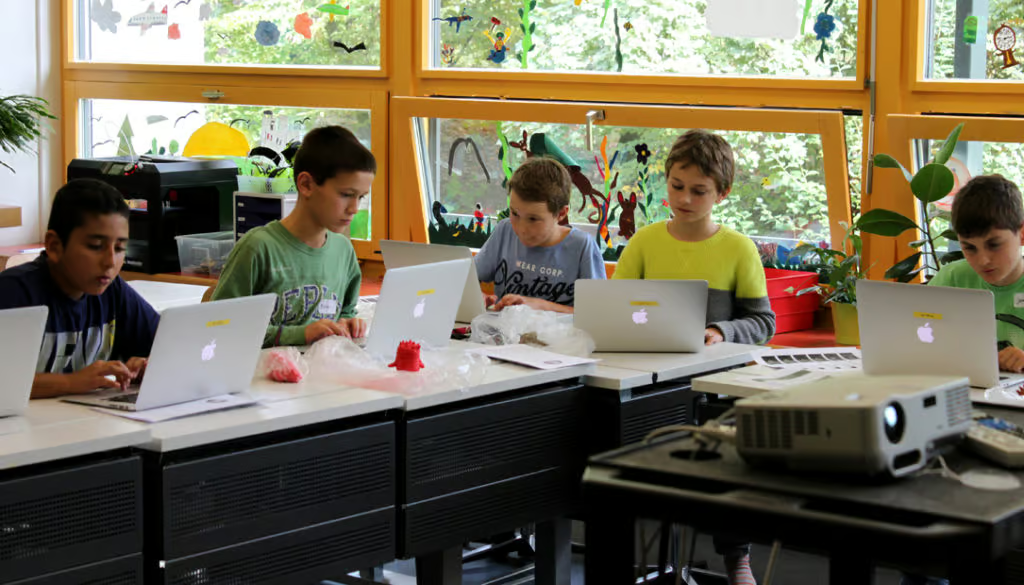
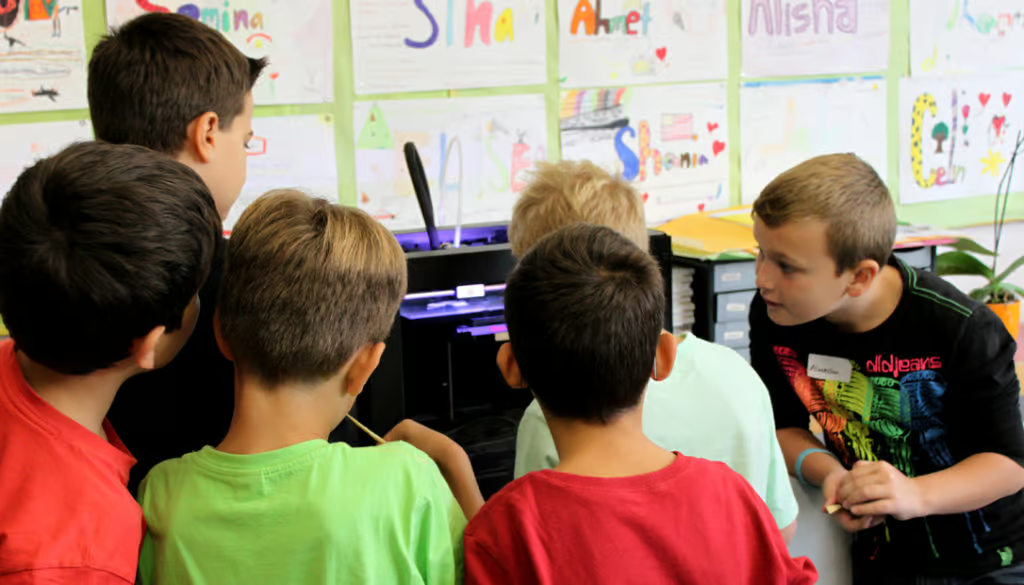
As part of a project week at the Volketswil ZH elementary school, we carried out a similar project. The aim was to give the pupils (SuS) of the 4th-6th elementary school an imaginative and playful first approach to CAD & 3D printing. We did this over the course of 4 x 1 days with mixed groups of around 15 pupils. In total, around 60 pupils were able to actively discover and work with these new technologies.
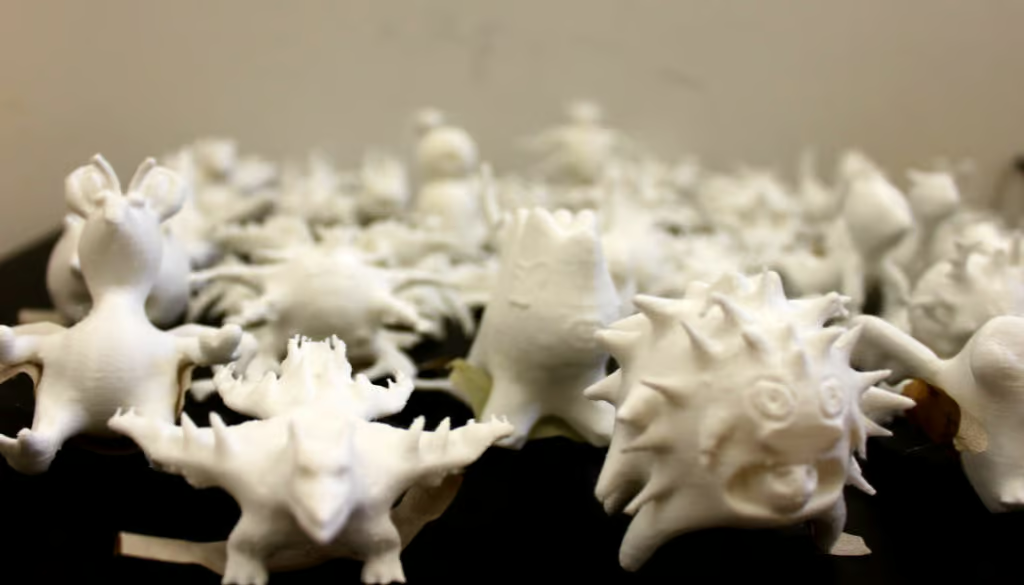
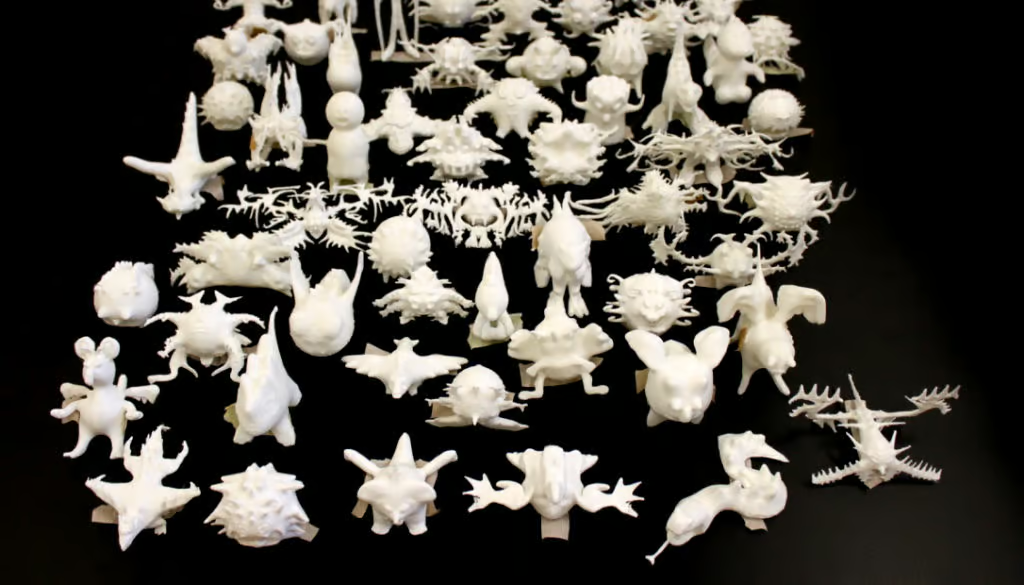
Create your own little mythical creature!
The topic of mythical creatures had already been worked on in different ways beforehand, which is why we decided on this topic in consultation with the teacher. It also offers a great deal of creative freedom for the pupils and you can’t do anything “wrong”. We also decided to use sculpting software for our first contact with CAD programs. In contrast to constructive CAD programs, this allows free design via drag and drop and does not require any basic mathematical knowledge.
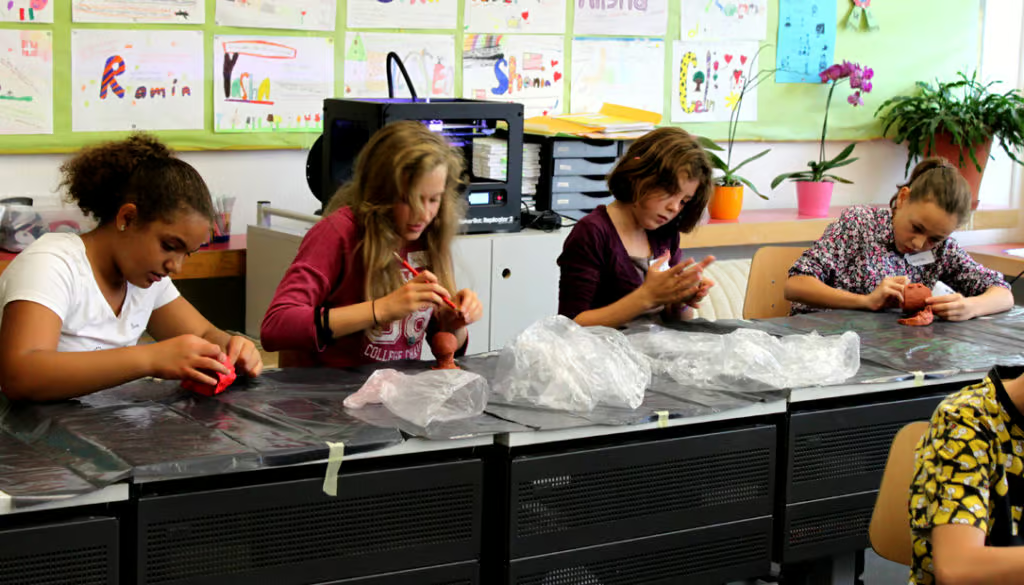
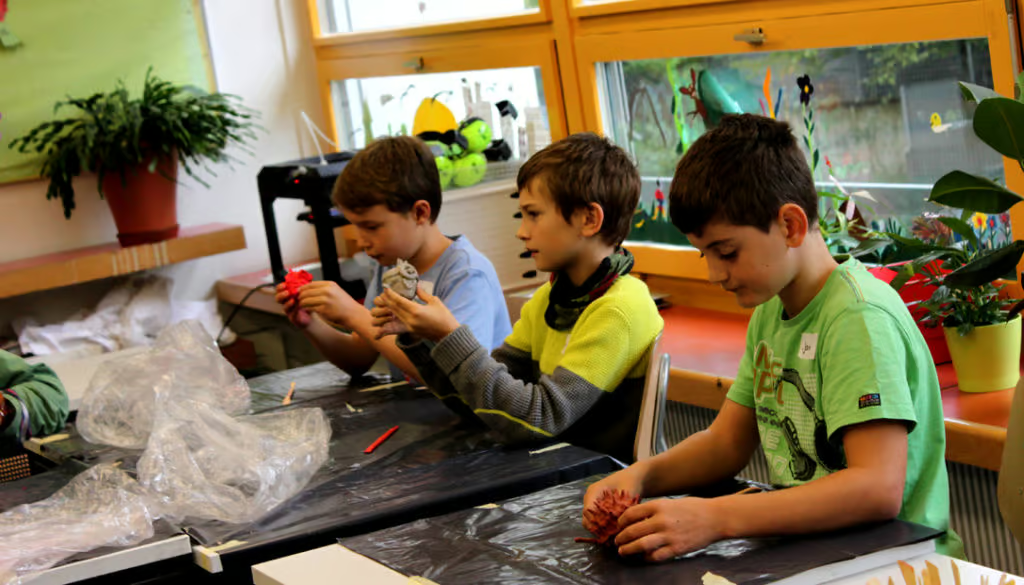
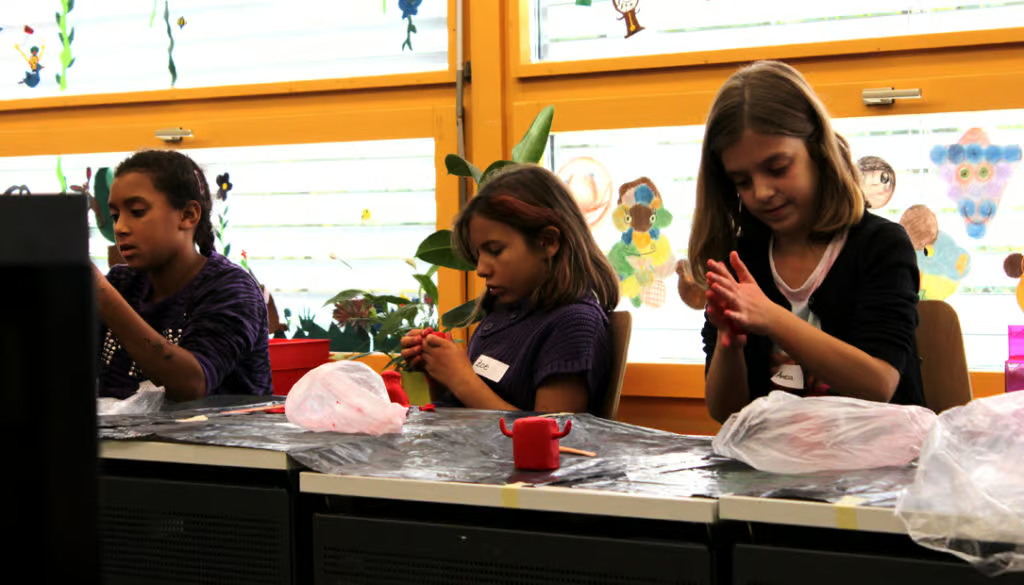
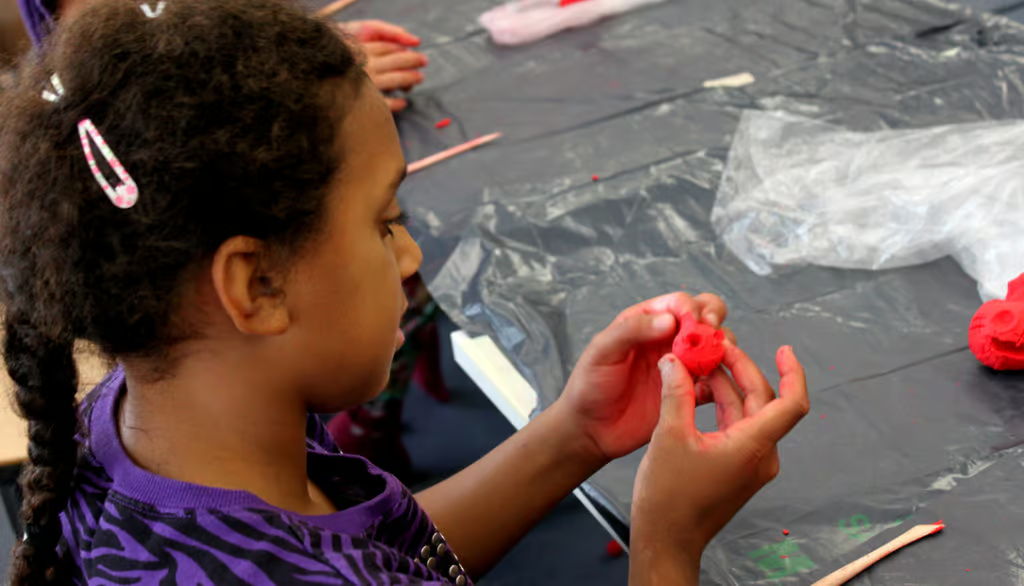
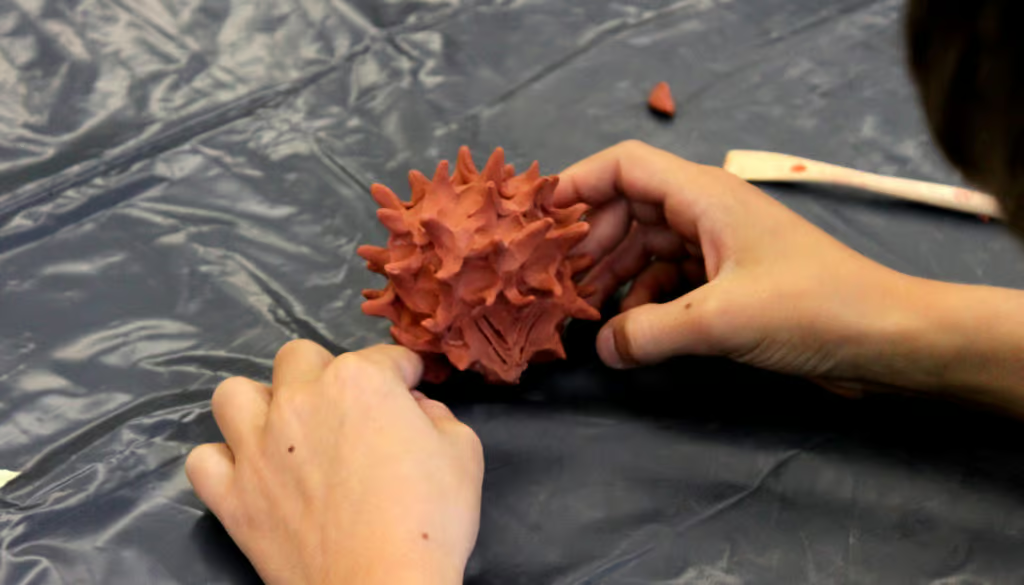
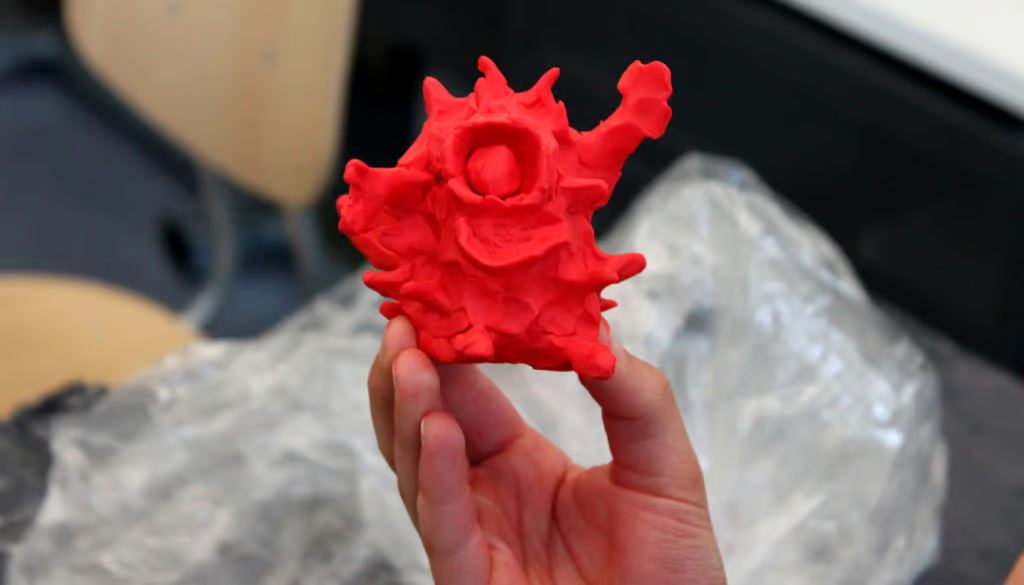
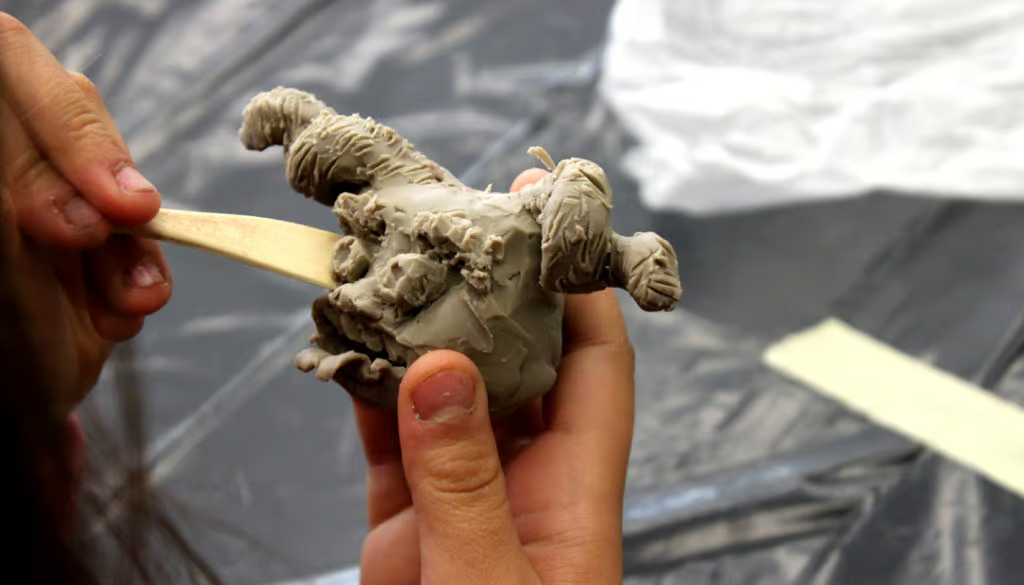
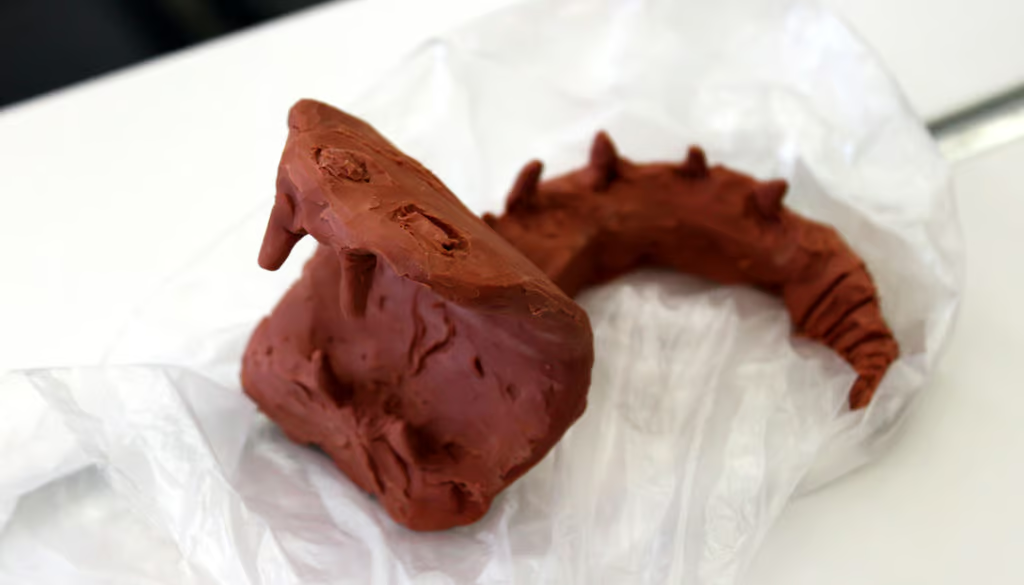
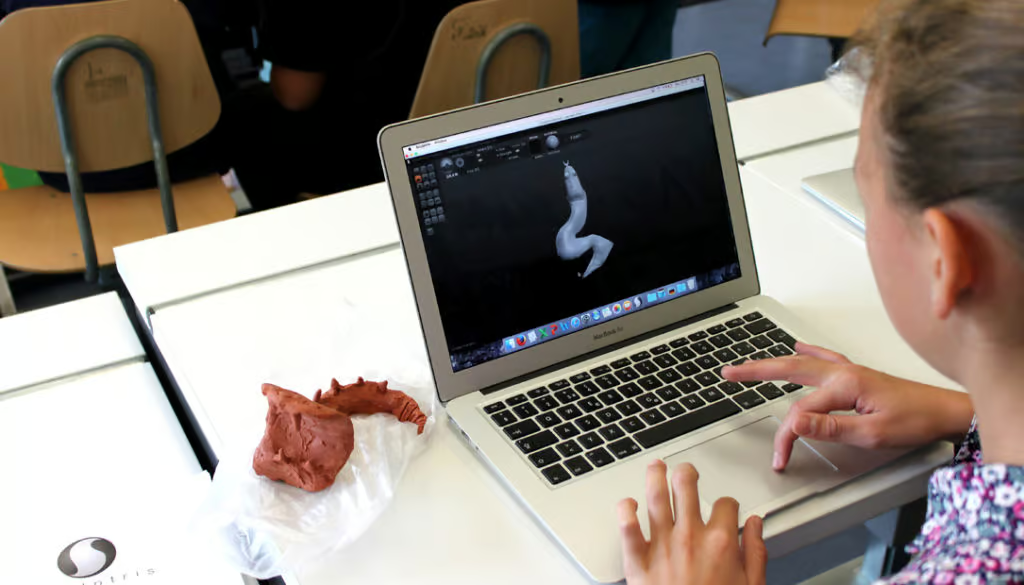
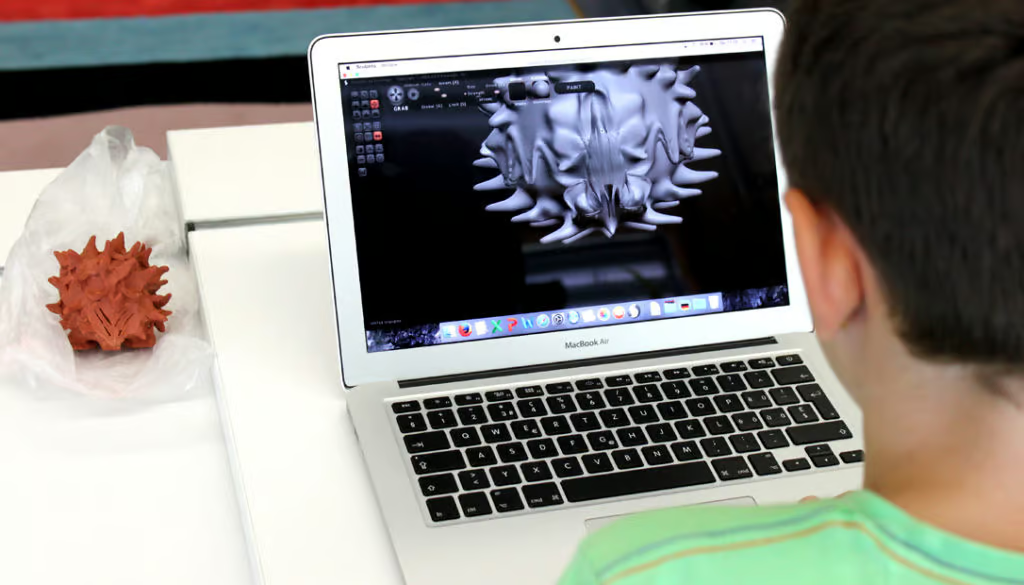
To find ideas and so that the pupils get a feel for the body as well as for modeling, we first let them shape their mythical creatures with modeling clay. This was followed by an introduction to the sculpting software and plenty of time to try things out.
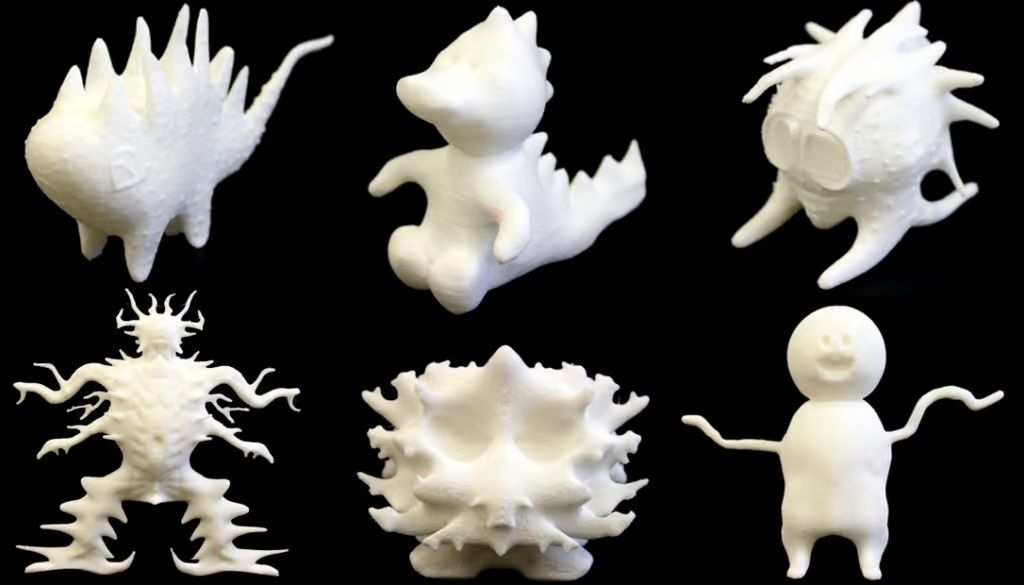
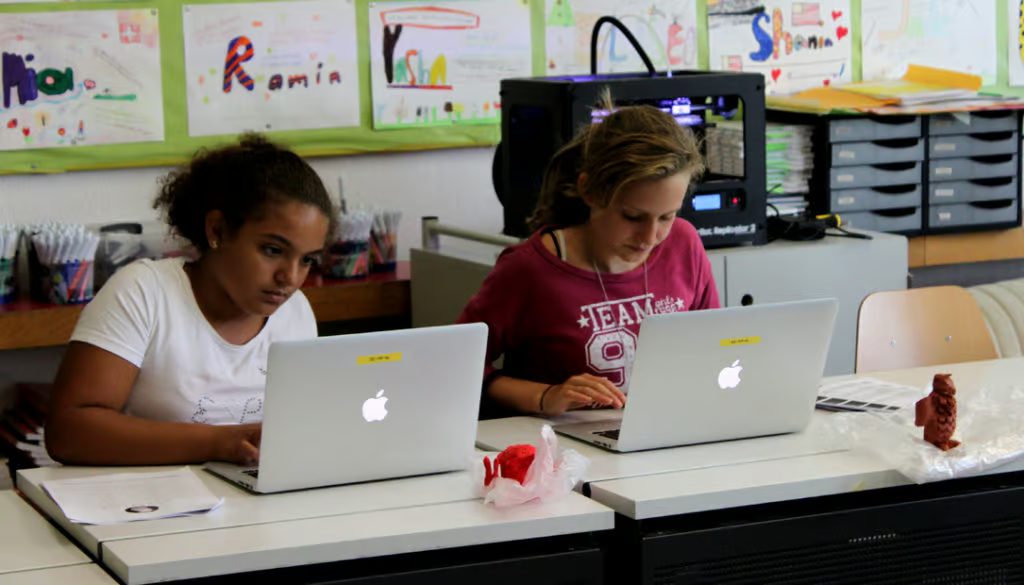
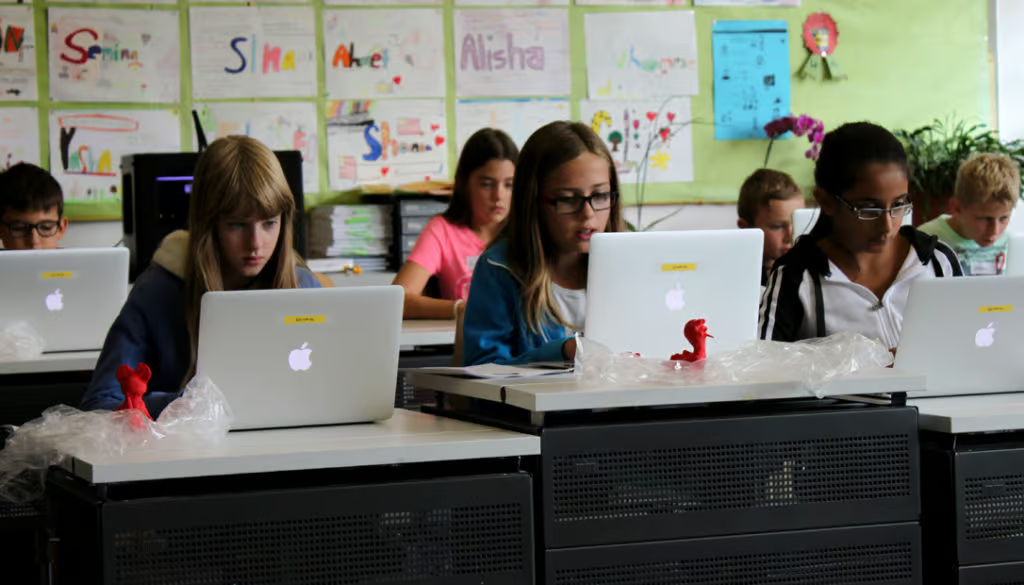
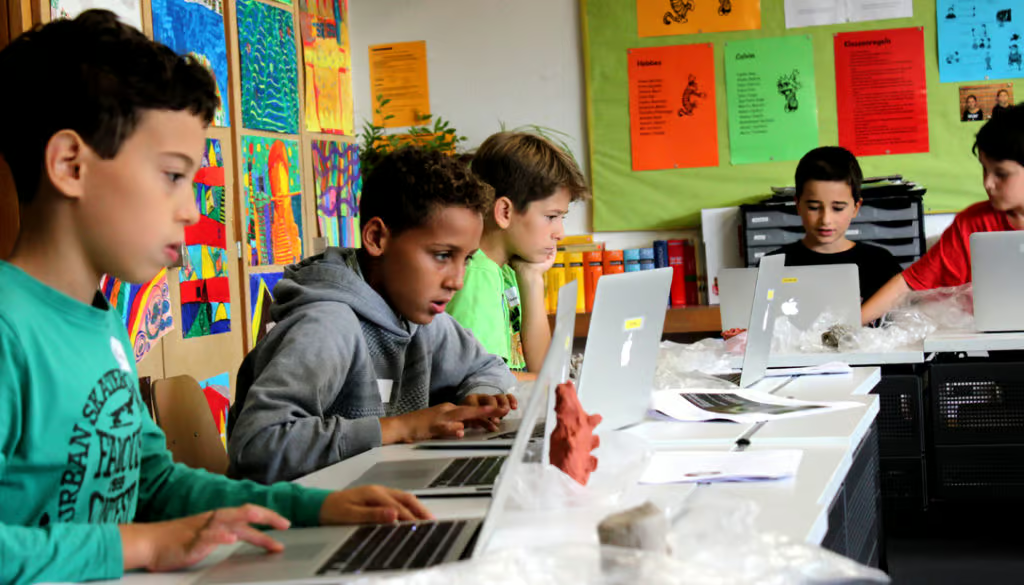
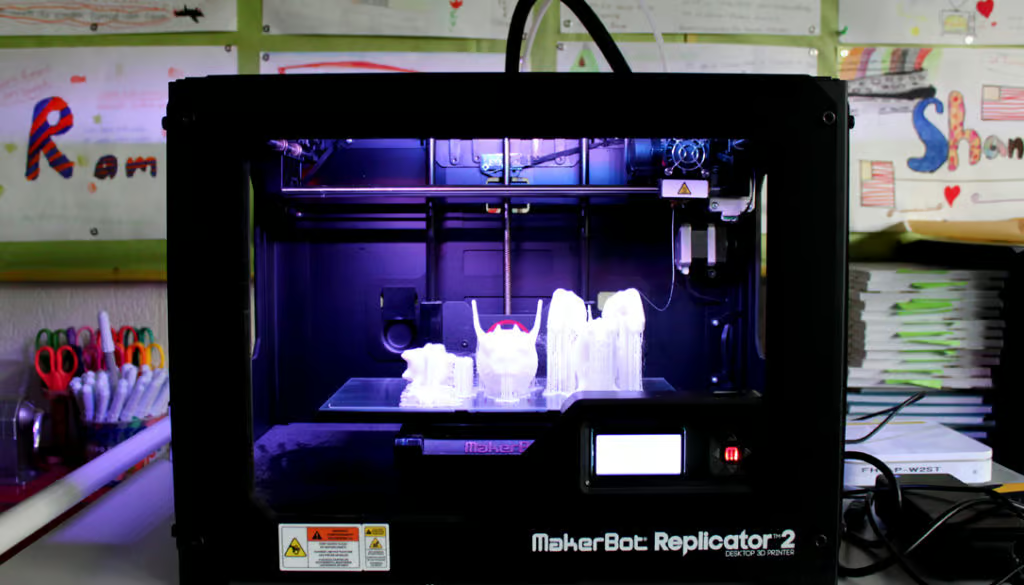
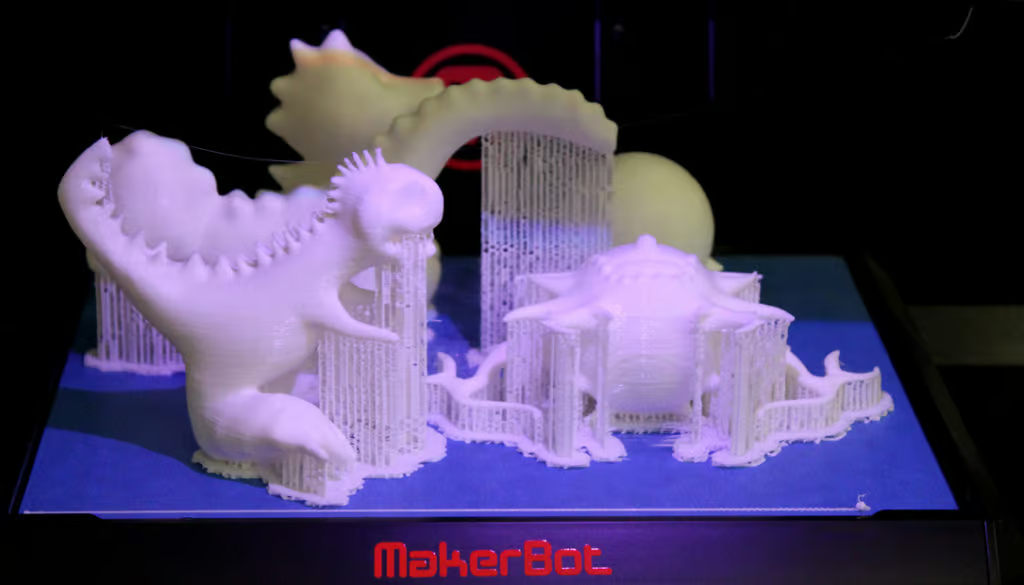
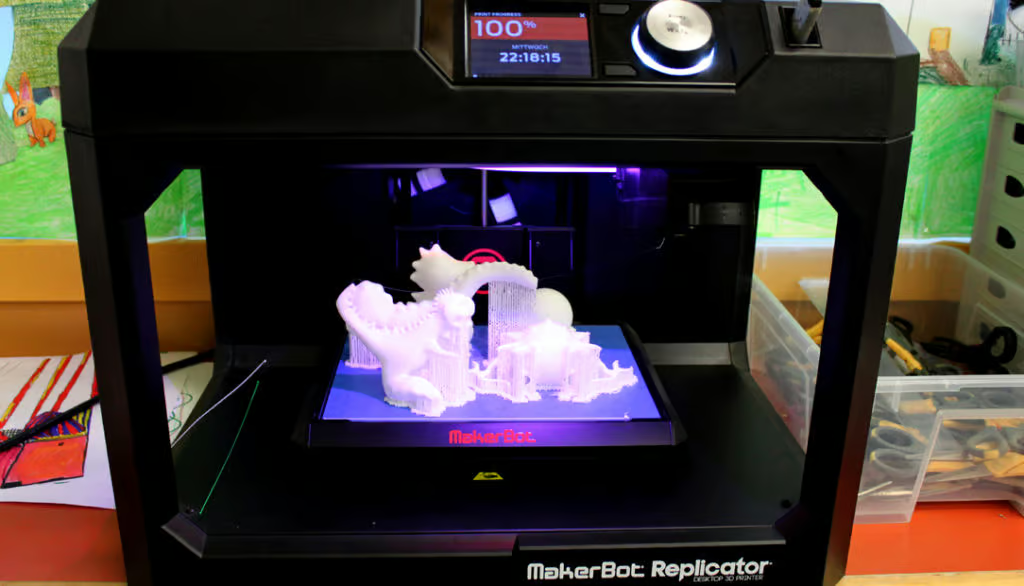
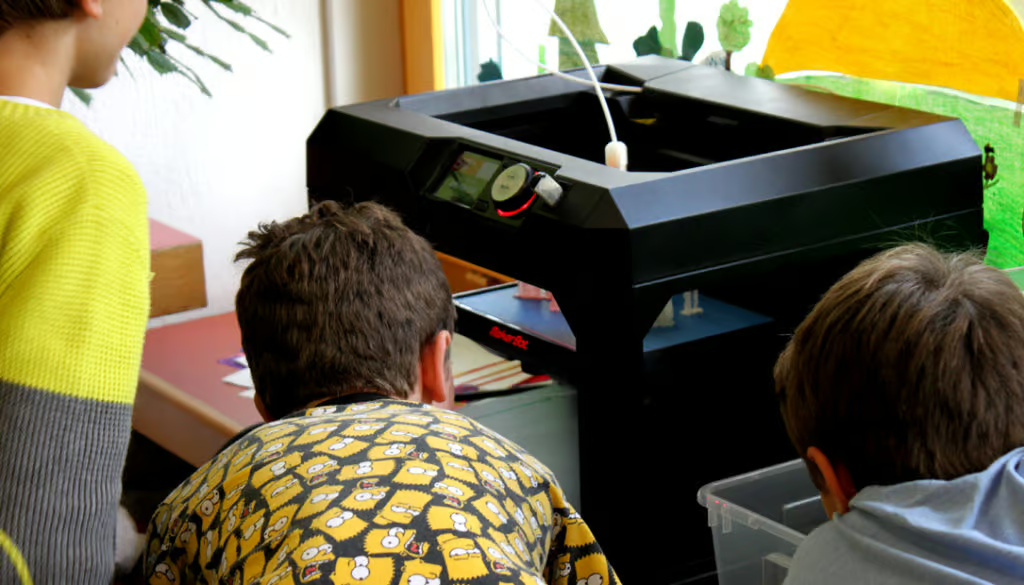
In the afternoon, it was all about modeling your mythical creature in CAD. Each student was able to work at their current level. While some of the students were able to start designing without a care in the world, others were already trying to implement their object from modeling clay 1:1 in the software. When their concentration waned, they were also allowed to take a look at the 3D printers, which printed out the mythical creatures from the previous day’s class.
The fascination and enthusiasm of the pupils was incredible. At the end of the day, every child was proud to present their mythical creature and have it saved for 3D printing. Some even noted down the link to the freeware so that they could continue working on it at home. And after a short time, everyone received their mythical creature from the 3D printer!
Conclusion
With one/two 3D printers, a few computers/tablets and the right setting, it is easily possible to motivate primary school pupils to use new technologies and achieve recognizable results, even in a very short time (1 day!). Although we have “only” implemented a creative approach here as an example, this can and should also be the starting point for further CAD/3D printing projects and a more in-depth exploration of STEM subjects in the future*.
Interested?
You can find more information about our commitment to education in our education section. Would you like a personal consultation or do you have any further questions?